Not Every Riddle (5.4)
The End of Inquiry

“The wish to be omniscient is the wish to be God.”
— Karl Popper
Part IV
“It was a band of robbers,” Queen Jocasta insisted. Tiresias’s accusation that Oedipus himself was the murderer he sought to find was just nonsense, just the rambling of an old blind man who claimed he could speak for the god.
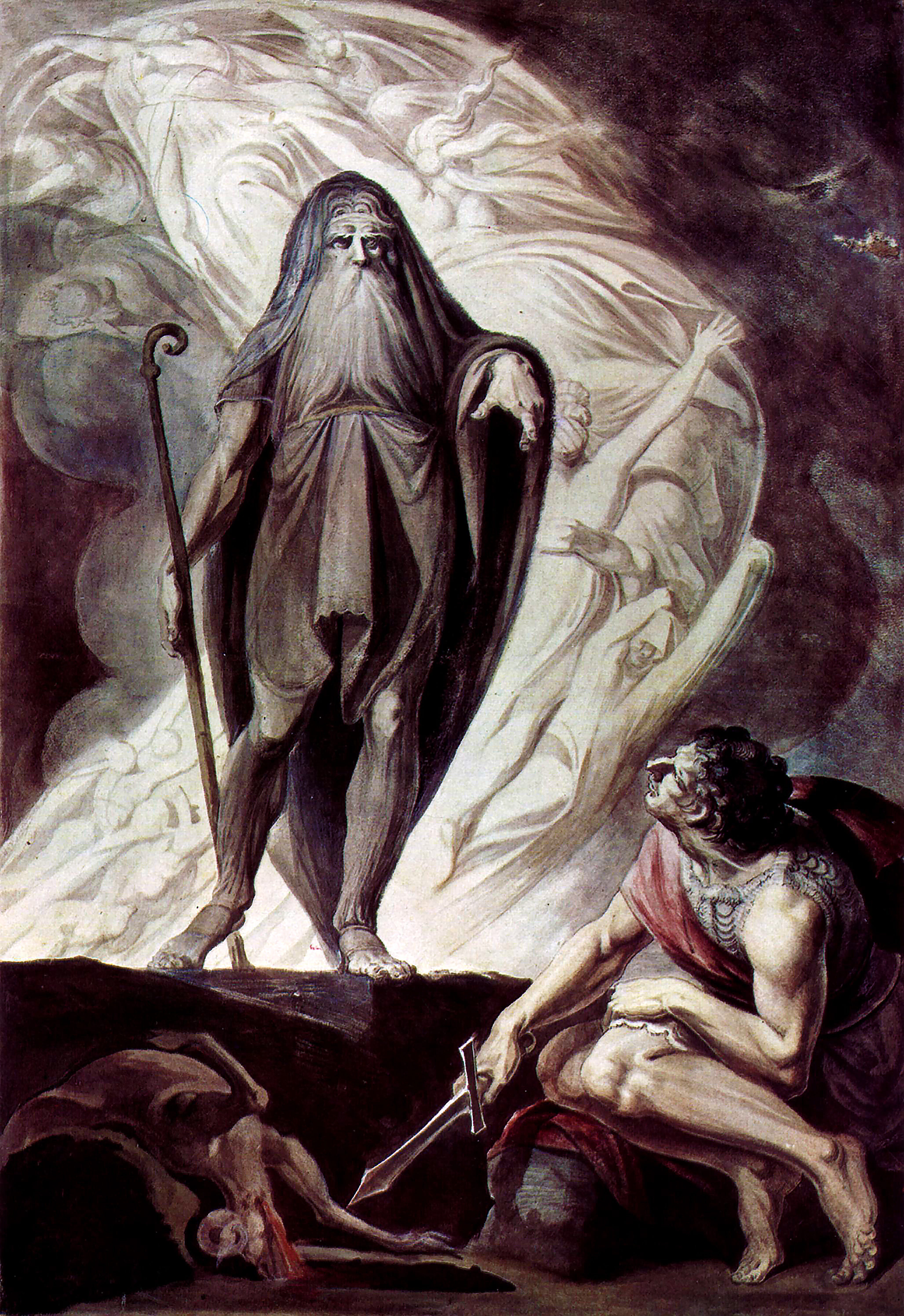
No, she assured her husband, a single man could not have killed the king and his entire retinue. The servant who had escaped told her: “It was a band of robbers.”
But Oedipus could not let it go. Something in the old man’s words…
“Send for the servant.”
She reached for him again, took his hands, and searched his face. “Let it be. He begged to leave the city.”
“The city suffers. I will know.” He turned to his guards. “Bring him to me.”
“Not every riddle needs an answer.”
Presently, a messenger entered the hall, tired, worn, and dust-covered. “My king, news from Corinth: King Polybus has passed. Queen Merope calls you home to claim your father’s throne.”
“My father dead?”
“Yes, my king. And your mother, the queen, calls you home.”
“Tiresias said today I would find my father—and a broken heart.”
“You see,” Jocasta said, “the oracle was wrong. You cannot kill a man who is already dead.”
“But I still fear the second part of the prophecy, that I will wed my mother. She still—” He stopped. “Why do you laugh?”
“My king,” said the messenger, “I mean no disrespect. Is this why you fled Corinth? For fear of your fate? No, you need not fear it. The oracle is wrong. You are not kin to the queen.”
The hall fell silent.
“I know this because I found you exposed on the mountain, your feet bound with a leather strap. I brought you to the king and queen, who raised you as their own.”
Jocasta’s face went still. Her chin trembled.
“Inquire no further.”
“Would you abandon your husband? Who am I to you?”
“You do not see it—and I hope you never will!”
She turned and fled.
Perplexed, Oedipus turned toward the messenger. The sound of someone entering the hall drew both men’s attention to the entrance. There stood the summoned servant of Laius.
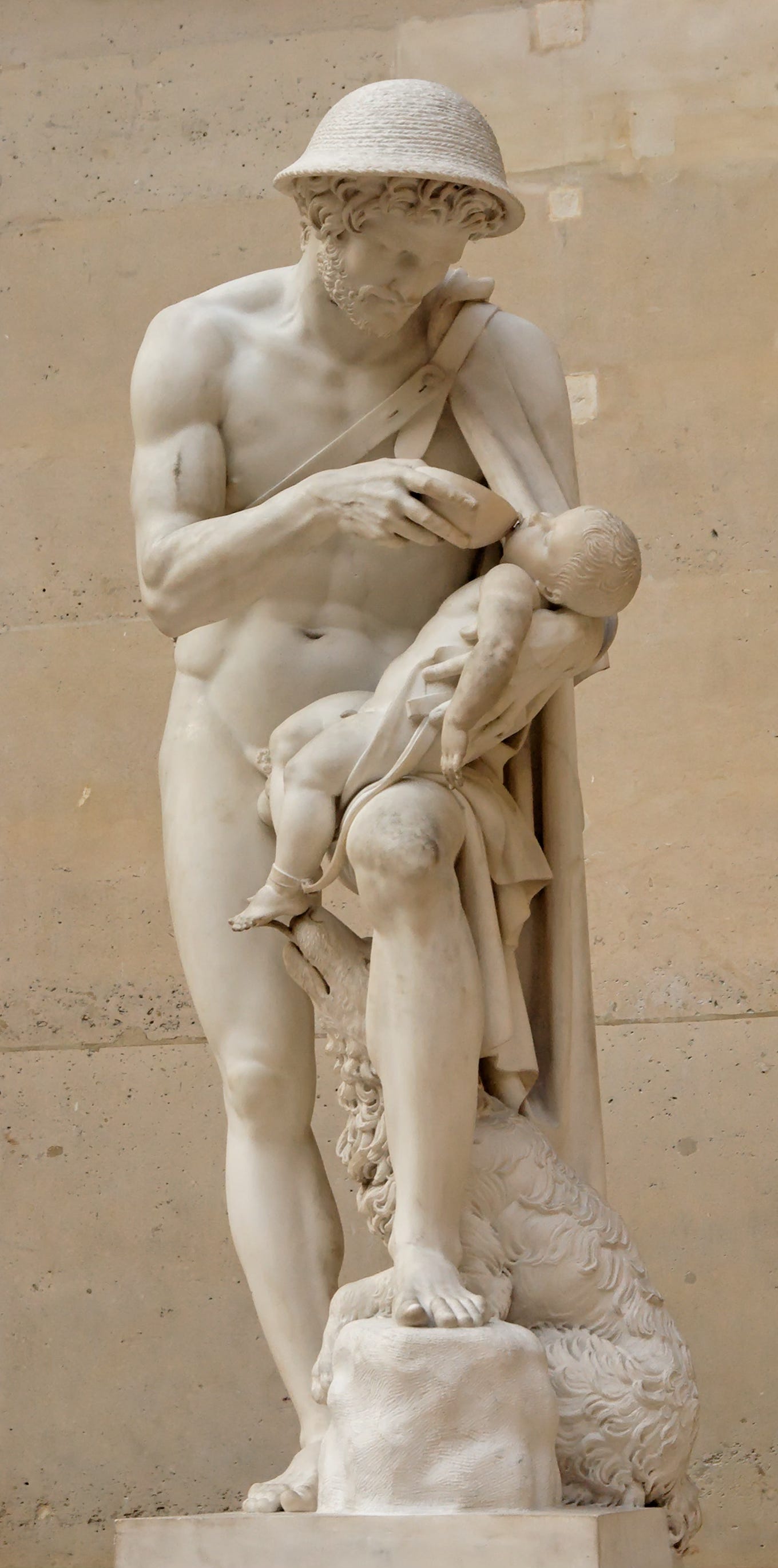
“That is him!” the messenger cried. “The shepherd—the one who gave you to me.”
Oedipus’s eyes darted to the messenger. “No. It cannot be. On your life—speak the truth!”
The messenger faltered. “My king—”
Oedipus turned to the shepherd, who lifted his palms and shook his graying head.
“You will speak.”
But the shepherd was struck dumb.
“Take him.”
“No, my king!”
“Bind him.”
“Spare me!”
“Speak!”
The old man cried out in anguish: “I did, I did, I did! I took you from Jocasta’s own hands! I took you to Cithaeron—to expose you!”
“Release his wrists.”
“I did not leave you to die. I swear. I waited until that man there—the messenger from Corinth—arrived. He took pity, and brought you to Corinth, and Polybus and Merope, having no male heir, adopted you as their—”
“Enough.”
He covers his face, then turns and flees the hall—cursing Tiresias, cursing Delphi, and searching for Jocasta.
In the bedchamber, he finds her. Hanging.
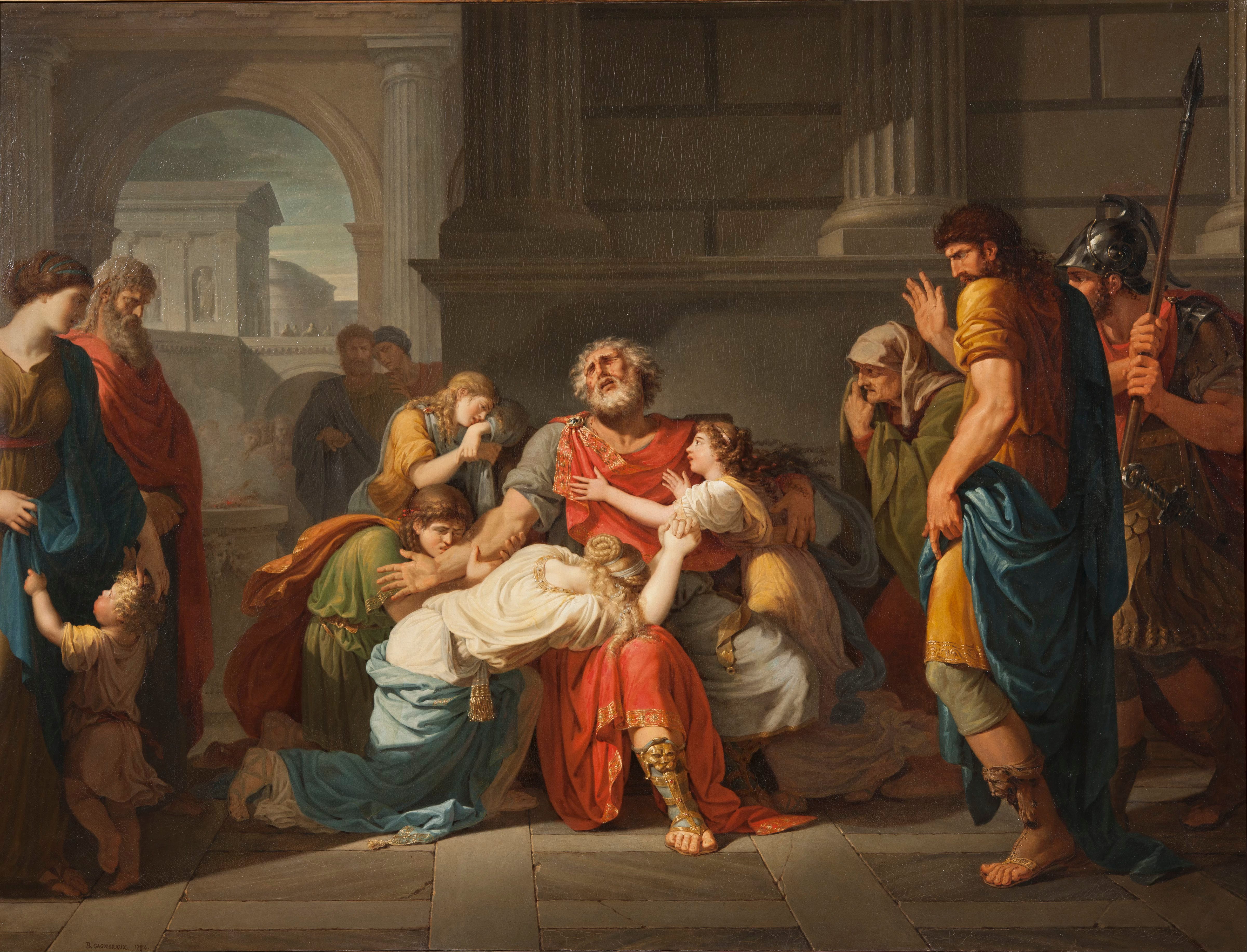
He collapses, crawls to her, and wraps his arms around her waist. He presses his head to her belly.
Tears stream down his cheeks.
Turning his eyes up to his mother for the first and the last time, he pulls a pin from her dress and transforms his tears into twin rivers of blood.
📘 Begin here | ⬅️ Previous Waypoint (5.3) | ➡️ Next Waypoint (5.5)
🎧 Prefer to Listen?
🏛️ Begin the Oedipus Cycle here: 5.1: Nine Moons Certain
☕️ If you’d like to support the work, you can buy me a coffee.
Support the project—and share this with someone who might recognize it.
Popper’s warning feels very modern to me. The desire for certainty can become hostile to inquiry itself.